Engineering
Designed aroundthe driver
-

3D Design & Engineering
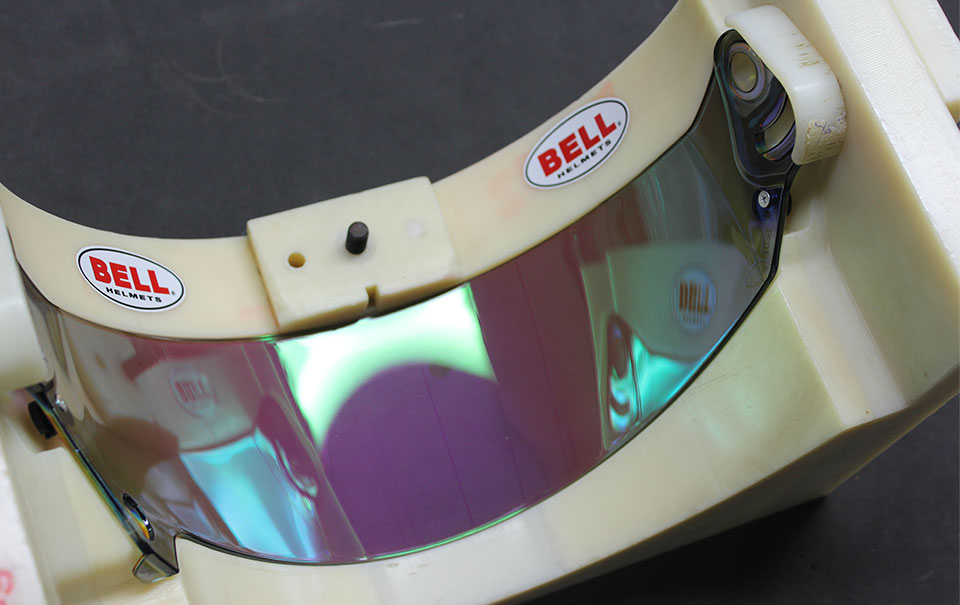
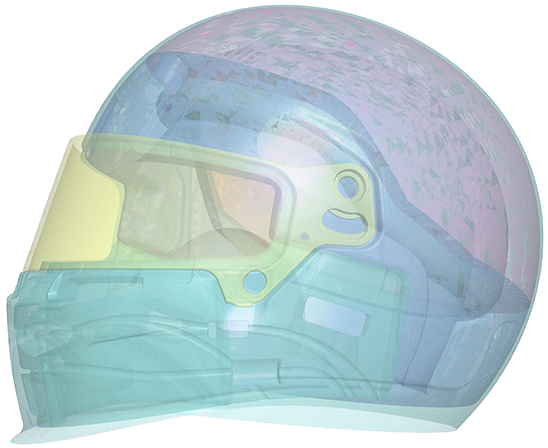
Bell makes extensive use of advanced 3D modeling, computer aided design (CAD) and rapid prototyping to drive product innovation and reduce the time needed to develop and deliver new products.
This allows Bell to conceptualize and refine the design, assure physical dimensions and component integration, conduct strength and dynamic analysis, predict impact performance, produce precise renderings, and confirm manufacturing process details before developing prototypes or producing physical tooling.
-
Function & Performance
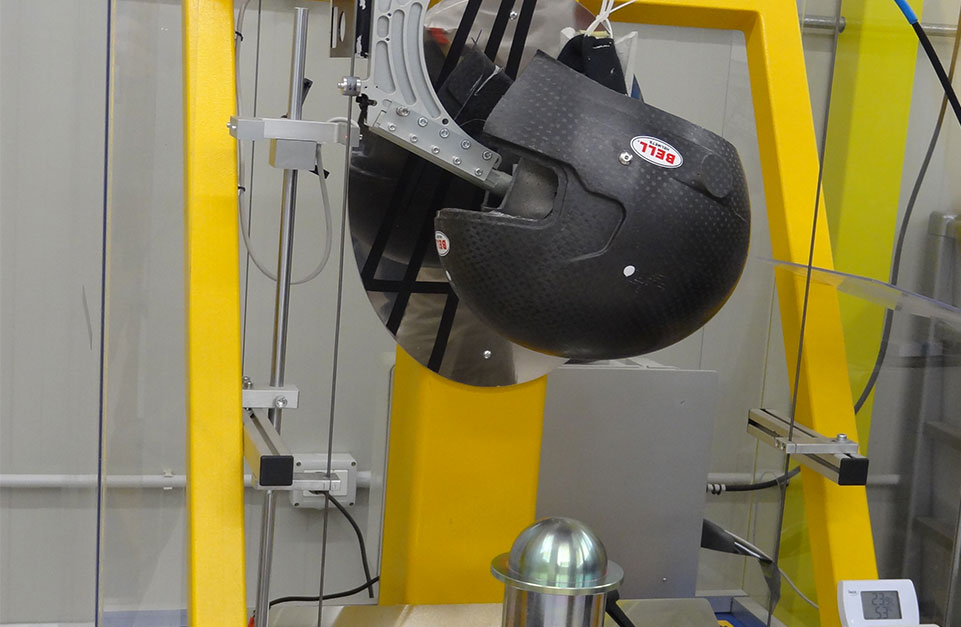
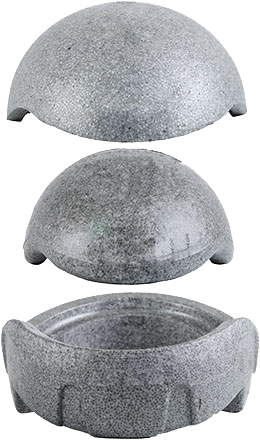
Bell’s goal when designing a helmet is to optimize shell and liner performance to limit the energy forces transmitted to the driver’s head during an impact, in a configuration that minimizes volume and weight.
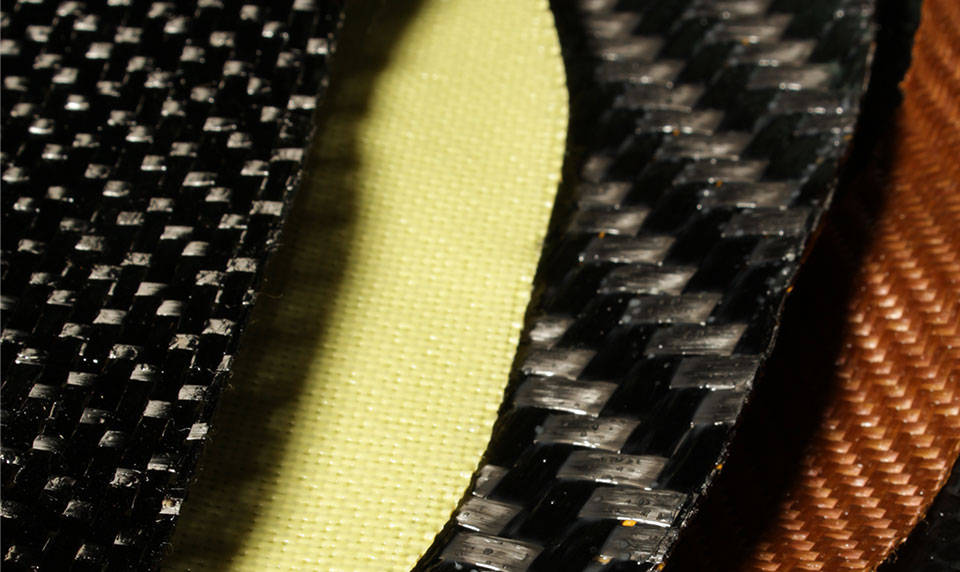
This is achieved by combining a high-strength outer shell to maintain structural integrity and limit penetration with a multi-density inner liner system that absorbs energy, and a retention system that assures the helmet is properly fitted to the driver’s head.
-
3D Head Scan
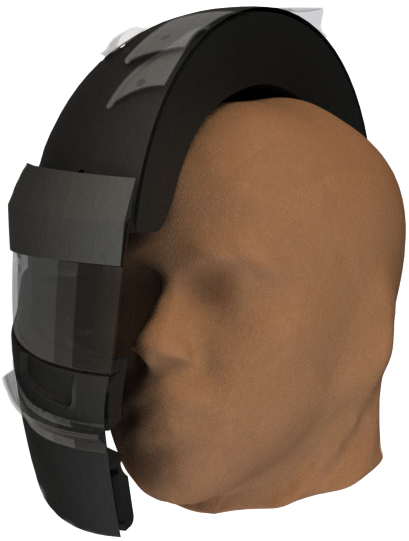
Bell Racing works with top sponsored athletes to improve helmet fit by taking a 3D head scan of the driver and building a custom interior.
The process starts with a custom head scan to create an exact 3D model of the driver’s head shape. Bell’s engineering team uses computer aided design (CAD) to position the scan within the parameters of the inner liner. Using this data, a custom interior is built, precisely duplicating the driver’s head shape to create a secure, perfect fit that eliminates pressure points and enhances comfort.
-
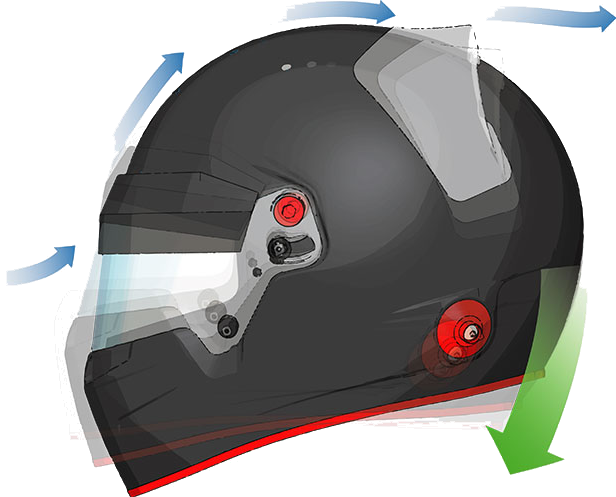
Aerodynamics
Bell has an extensive history of developing helmets that provide aerodynamic stability and performance at high speeds, minimizing the helmet’s aerodynamic signature and reducing acoustic interior noise.
Bell uses a combination of shell design and performance features, including front chin gurneys, top gurneys and rear spoilers, to increase downforce, reduce buffeting and lift, and increase helmet stability.
-
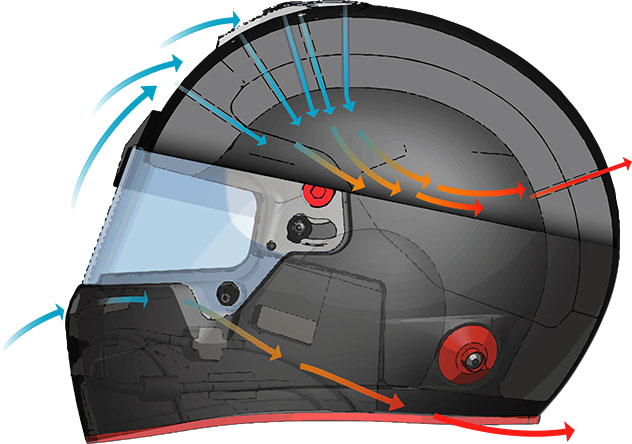
Ventilation
Bell maximizes helmet ventilation with internal vent systems that direct airflow to the driver’s head to enhance cooling and comfort and reduce shield fogging.
Bell uses innovative vents and air intake systems to create internal ventilation when the helmet is exposed to direct airflow, and purpose-built forced air intakes to create ventilation inside the helmet when used in a closed configuration.